Commercial imports into Italy | From pro forma invoice to customs clearance
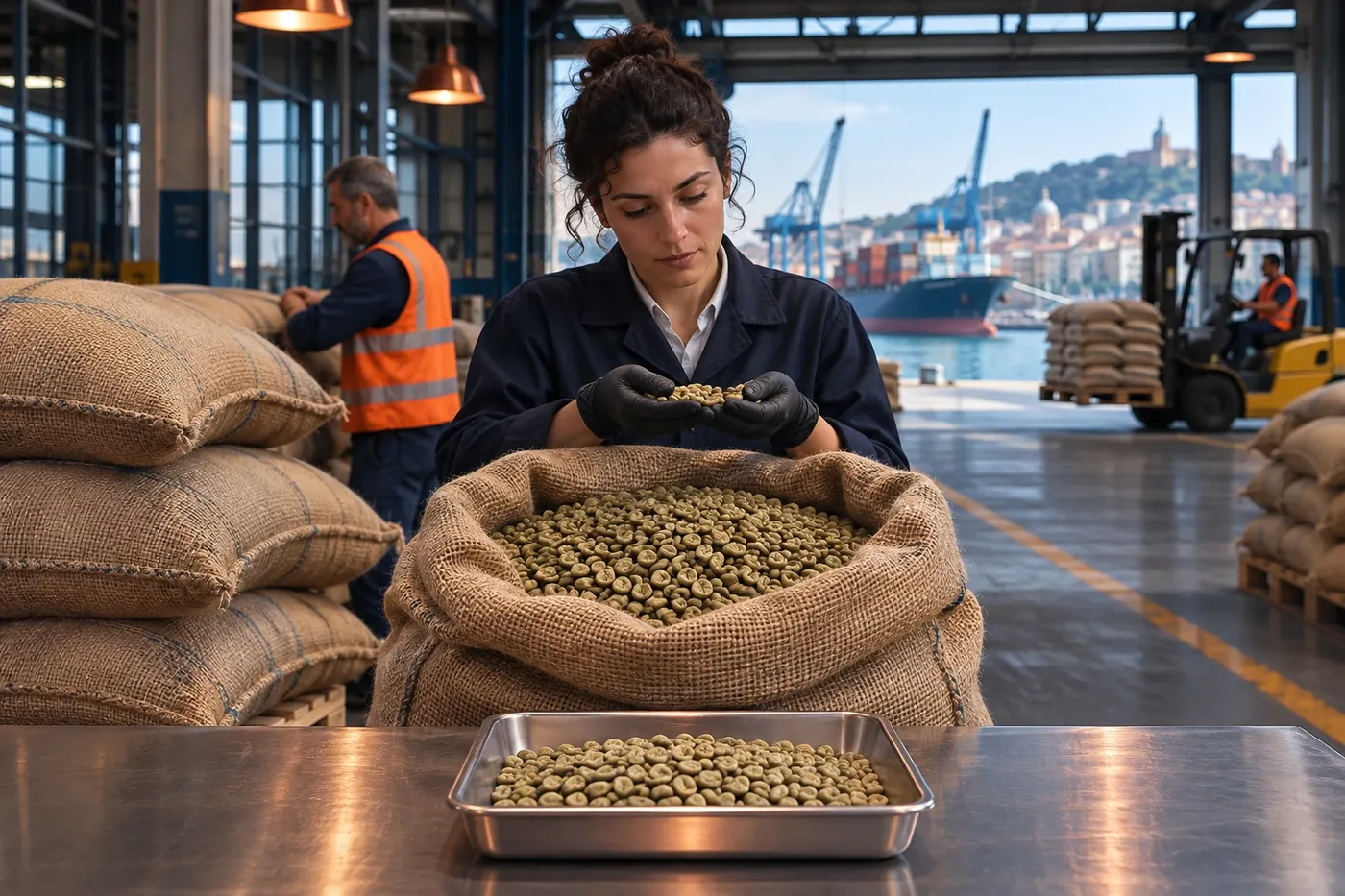
Before you agree a price for goods bought from outside the European Union and entering Italy, ask the seller for a technical description of the goods and their country of origin. These two data points help you check costs and entry restrictions before you book transport.
Who declares the goods?
The importer and the customs representative must make clear in whose name the declaration is filed and whose EORI number is used on the file. Then check the measures that apply, using the classification and origin of the goods, in TARIC. When estimating costs, keep customs duty separate from Italian import VAT and from freight and clearance costs.
Example | Green or roasted coffee?
If the product sample is green coffee but the pro forma invoice only says "coffee", ask the seller to state the type of processing and the form in which it is supplied. That difference alone can change the classification and the product requirements to be checked. Before shipping, match the goods description on the pro forma invoice, the commercial invoice and the packing list, and check the documents required for that specific product with your broker.
Italian customs procedures · Italian import costs · TARIC tariff and restrictions
Estimate customs value and tax separately
The purchase invoice is the starting point. Report freight, insurance and other items to your broker separately, so they can determine which amounts belong in the customs value and which in the import IVA base. TARIC covers tariff measures and restrictions. Check the import tax rate separately with the Italian authority. If the seller offers a preferential rate, verify the applicable agreement, the rules of origin and the supporting proof before you build it into your budget.
Sources last reviewed: 3 November 2026. Check the current rules for your specific goods with the relevant authority before you trade.